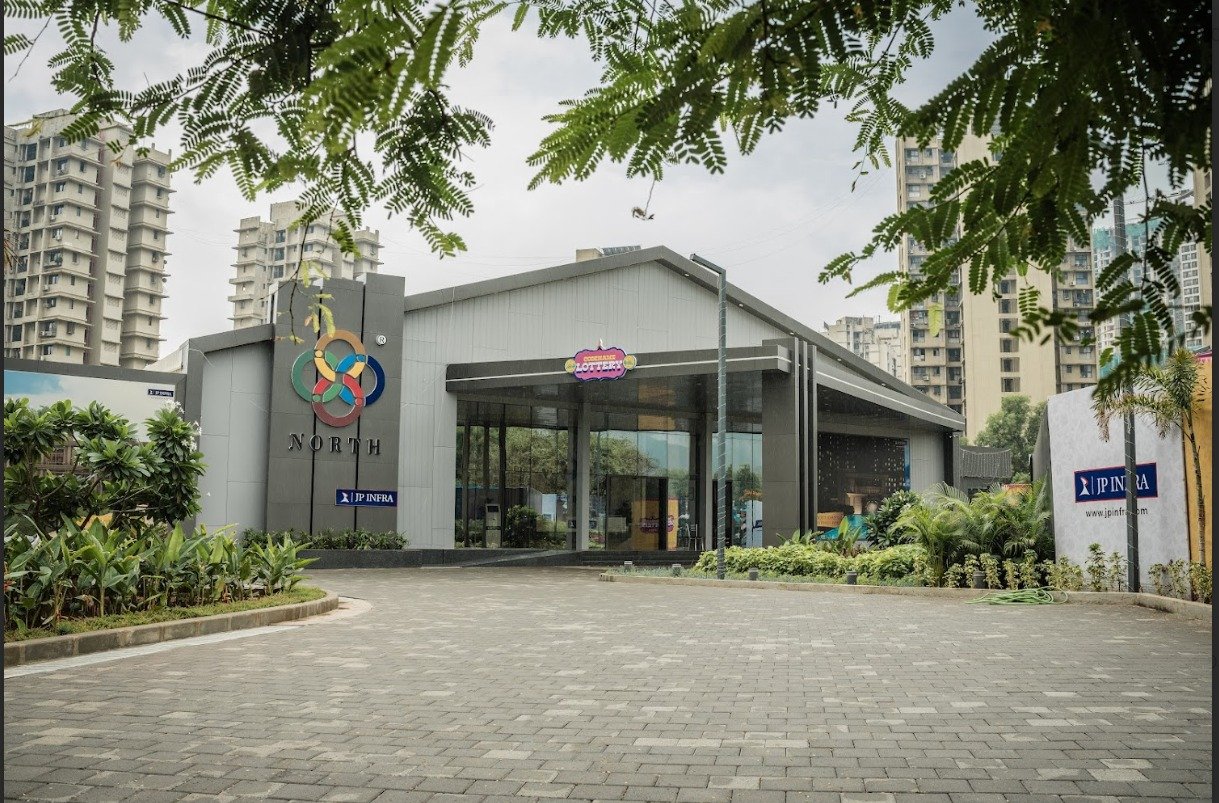
Sales offices play a pivotal role in setting the tone for customer interactions, serving as the first physical touchpoint for potential clients. A well-designed sales office interior not only reflects the company’s brand identity but also creates an atmosphere of trust and professionalism. By understanding the psychology behind layout and design, businesses can create environments that are both functional and welcoming.
When businesses operate in temporary office structures, particularly for short-term projects or events, the design of the space becomes even more critical. A sales office structure within a temporary setting must balance efficiency with aesthetics. These structures often cater to project-specific needs, such as marketing campaigns or real estate showcases, requiring them to be adaptable yet inviting.
For instance, the use of modular furniture and open-plan layouts can enhance the sense of space while providing flexibility. Colour psychology also plays a significant role; warm tones like beige or soft blues can evoke feelings of calmness and approachability, encouraging positive customer interactions. Adding natural light or well-designed artificial lighting can further enhance the perception of professionalism and transparency.
Designing the Ideal Sales Office Structure
The layout of a sales office structure should prioritise both functionality and customer experience. Key elements include reception areas, private meeting spaces, and accessible information desks. Each of these components contributes to creating a seamless journey for clients.
For example, a strategically positioned reception desk ensures that visitors are greeted promptly, reducing anxiety and setting a positive tone. Incorporating comfortable seating arrangements in waiting areas can also make clients feel valued. The design should guide visitors intuitively through the space, with clear signage and pathways that lead them to the intended destination without confusion.
Furthermore, technology integration is essential for modern sales office interiors. Interactive screens or digital kiosks can provide clients with instant access to product or service information, reducing wait times and enhancing engagement. These features not only improve the overall experience but also project an image of innovation and efficiency.
Impact of Interior Design on Customer Perception
The sales office interior serves as a physical representation of the company’s values and aspirations. A clutter-free and organised space communicates professionalism and attention to detail. Conversely, a poorly designed interior can lead to negative impressions, undermining the company’s credibility.
To foster a welcoming environment, it’s crucial to consider the following design elements:
- Colours: Neutral tones paired with brand-specific accents can create a harmonious and cohesive look. Avoid overly bright or distracting colours that may overwhelm visitors.
- Textures and Materials: High-quality materials such as polished wood or sleek metal finishes convey sophistication, while softer textures like fabric upholstery add warmth.
- Lighting: Natural light is ideal, but when unavailable, layered lighting with a mix of ambient, task, and accent lighting can create a balanced and inviting atmosphere.
- Décor: Artwork, plants, and minimalist décor can make the space feel less clinical and more approachable.
Addressing Challenges of Site Office Structures
In construction or remote project locations, site office structures often serve as temporary yet vital hubs for operations and client interactions. Despite their temporary nature, these offices must be designed to meet both functional and psychological needs.
A practical site office structure requires robust construction materials and layouts that prioritise durability and adaptability. However, to create a welcoming environment, it’s important to go beyond mere functionality. Adding elements such as ergonomic furniture and efficient climate control systems can significantly improve the comfort level for both employees and clients.
Moreover, using portable partitions or modular walls can help in delineating spaces without making the office feel confined. Thoughtful layout planning ensures that the workspace remains productive while fostering a sense of professionalism that reassures clients visiting the site.
Crafting Welcoming Environments
Corporate office structures are designed with longevity and scalability in mind. However, the principles of creating a welcoming environment remain the same, albeit on a larger scale. The layout of a corporate office must accommodate diverse needs, from employee productivity to client engagement.
Open-plan designs, while fostering collaboration, can sometimes feel overwhelming. To balance this, creating zones within the office—such as quiet areas for focused work and open spaces for team discussions—can improve both employee and client experiences. Incorporating break-out spaces that feature comfortable seating and natural elements like indoor plants can further humanise the environment.
Incorporating branding into the design of corporate office structures is another effective strategy. Subtle brand elements like logos, slogans, or company colours reinforce identity and create a cohesive look. Additionally, ensuring accessibility through features such as ramps, wide corridors, and lifts demonstrates inclusivity, which can leave a lasting positive impression on clients and visitors alike.
Psychological Principles for Spaces
Several psychological principles can guide the design of sales office interiors, site office structures, and corporate office structures to make them more inviting:
- Proxemics: Understanding how people perceive and use space is crucial. Avoid overcrowded layouts that may feel intimidating, and instead, allow for open, free-flowing movement.
- Biophilia: Incorporating natural elements like greenery, water features, or earthy textures can reduce stress and create a calming atmosphere.
- Lighting Psychology: Bright, well-lit spaces energise, while softer lighting can create a sense of intimacy and comfort.
- Acoustics: Reducing noise levels through soundproofing or strategic layout design can make the environment more pleasant and conducive to meaningful conversations.
The design of sales offices, whether in temporary office structures, site office structures, or permanent corporate office structures, significantly influences how clients perceive a business. A thoughtful approach to layout and interior design, grounded in psychological principles, ensures that these spaces are not only functional but also inviting. By paying attention to details such as colour, lighting, and layout, businesses can create environments that leave lasting positive impressions on clients and foster trust and collaboration.
Ultimately, investing in the design of sales office interiors is not just about aesthetics—it’s about building meaningful connections with clients and reinforcing the company’s values. Whether operating from a temporary setup or a permanent corporate space, the right design choices can transform any office into a welcoming and impactful environment.
Looking to stand out at your next event or trade show? Compact booth designs deliver big impact in small spaces. Email us today: info@woodpeckersglobal.com!